
Comprehensive Regional Energy Study in the Philippines (CRESP) Project: Biomass potential, solar PV deployment, and policy gaps for sustainable energy transition in mindanao
By Zebeth A. Miranda, STRATCOMM, USTP System
Share:
The University of Science and Technology of Southern Philippines (USTP) officially launched its partnership with the Department of Energy (DOE) through a courtesy call to the University President on January 23, 2025, for the project “Comprehensive Regional Energy Study in the Philippines (CRESP) Project: Biomass Potential, Solar PV Deployment, and Policy Gaps for Sustainable Energy Transition in Mindanao” at the Office of the President, Administration Building, USTP CDO. The ₱5-million grant aims to conduct a comprehensive assessment of renewable energy resources to strengthen the Department of Energy’s policy initiatives and contribute to a more sustainable and resilient energy future.
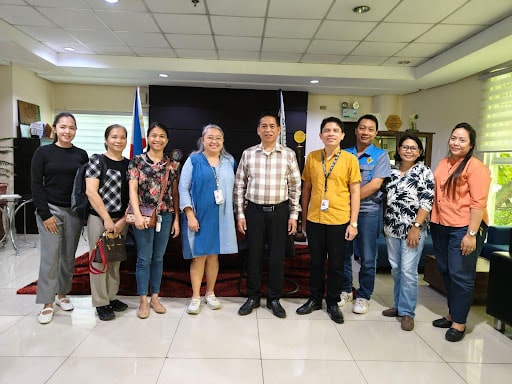
USTP System President Dr. Ambrosio B. Cultura II welcomed the project team to discuss the implementation of the one-year initiative. The project is divided into three critical studies: Study 1 focuses on the Analysis of Potential Biomass Resources in the Mindanao Region; Study 2 involves the Inventory, Geospatial Mapping, and Distribution Impact Study of Guerrilla Solar Photovoltaic Installations in the Mindanao Region; and Study 3 covers the Impact Assessment and Policy Implications of Unregistered Solar PV Installations in the Mindanao Region.
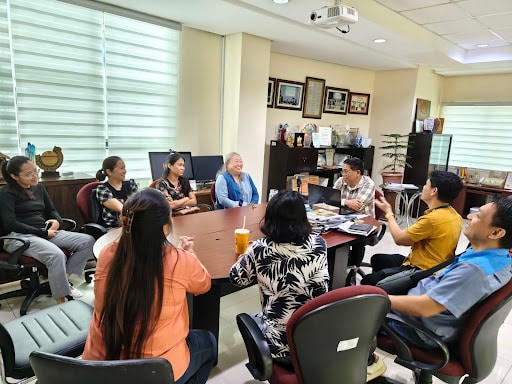
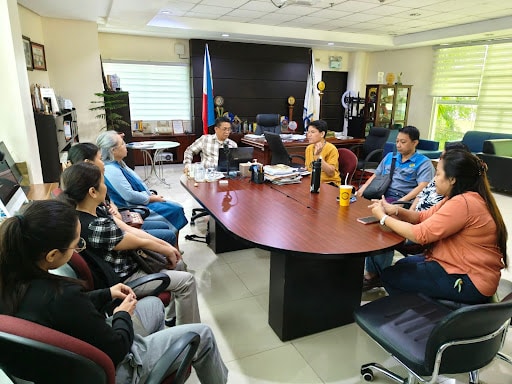
The DOE-CRESP project is led by a multidisciplinary team from the university, headed by Dr. Rojien V. Morcilla (Project Leader). The project team includes Ms. Angelie A. Collera (Social Aspect), Engr. Ellen Jane G. Gulben (Study 1 Lead), Engr. Aileen A. Sieras (Study 2 Lead), and Engr. Christopher S. Dolino (Study 3 Lead). The findings of these studies are expected to provide critical insights into the region’s energy landscape, identifying “guerrilla” or unregistered solar installations to better understand their impact on the grid and to help the government refine its transition strategies toward green energy.
Through this collaboration, USTP continues to champion research-driven interventions that support national policy-making and promote environmental stewardship through technological innovation.