
Harvesting Hope: USTP-Claveria joins multi-agency pact to revitalize makapuno industry in Misamis Oriental
By Eric Randy R. Politud, Ph. D/ Vice Chancellor for Research and Innovations, USTP Claveria
Share:
In championing sustainable innovation, the University of Science and Technology of Southern Philippines in Claveria, Misamis Oriental (USTP Claveria) strategically leads a significant milestone to the province of Misamis Oriental as key government agencies and academic institutions forged a transformative Memorandum of Agreement (MOA) to revitalize the province’s Makapuno coconut industry through embryoculture and science-driven propagation, held at the Misamis Oriental Provincial Agricultural Development Center (MOPADC) in Ane-i, Claveria, on November 13, 2025.
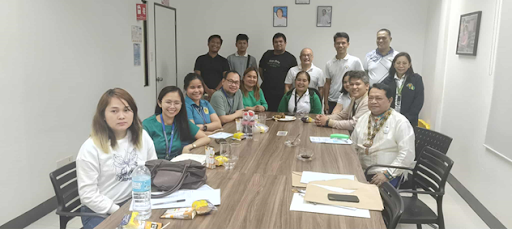
The ceremony brought together leaders and technical experts from the Provincial Government of Misamis Oriental (PLGU-MisOr), Philippine Coconut Authority Region 10 (PCA), Department of Agriculture – RFO 10 (DA- RFO 10), the University of Science and Technology of Southern Philippines–Claveria (USTP-Claveria), and Mindanao State University–Naawan (MSU-Naawan). Representing USTP-Claveria Chancellor Dr. Renato O. Arazo, Vice Chancellor for Research, Innovation and Extension Dr. Eric Randy R. Politud stood as one of the prime academic champions of this initiative. The forging of the MOA was preceded by an on-site inspection of the proposed Makapuno Embryo Culture Laboratory site inside the MOPADC compound. Provincial, regional, and academic representatives—including Tissue Culture Focal Person Ms. Michelle Ross Valmores-Lace, MSU-Naawan Vice Chancellor for Research and Global Engagement Dr. Rey Capangpangan, Former Provincial Board Member Eric Khu, NMACLRC delegates, PCA experts, DA-RFO X personnel, and other PAGRO staff—carefully assessed the area where the P20-million project will rise. The inspection set the tone for the day’s collaborative spirit, underscoring the shared vision of building a state-of-the-art laboratory that will serve as the center of Makapuno embryo rescue and propagation for Misamis Oriental.


During the MOA deliberation, officials emphasized that Makapuno, a rare and high-value coconut variety, holds immense economic potential but suffers from low natural propagation due to its non-viable embryo. Through embryo culture technology, the project aims to rescue, grow, and multiply true-to-type Makapuno seedlings, ensuring stable supply and helping farmers shift toward high-value coconut production. This science-based approach is aligned with the provincial government’s vision to strengthen the coconut value chain, expand farmer income, and develop new market opportunities, including food processing and niche export products.
For USTP-Claveria, the MOA represents a breakthrough opportunity to expand its research, innovation, and extension footprint within the province. As a leading academic and scientific partner, the university will play a crucial role in laboratory establishment, tissue culture operations, molecular verification, training, and farmer capacity-building. Dr. Politud, representing the Chancellor, highlighted that the project will open doors for faculty specialization, student immersion, research collaboration, and the translation of scientific expertise into real-world agricultural development—an embodiment of the USTP mandate of technopreneurship, innovation, and countryside transformation. Beyond scientific collaboration, the project also strengthens USTP-Claveria’s linkages with provincial and national agencies, enriching its strategic partnerships in agriculture and biotechnology. Through shared laboratory resources, co-designed training programs, and technology transfer activities, the university will contribute to shaping an innovation ecosystem where science meets community needs. Farmer groups, municipal agriculture offices, and cooperatives will directly benefit from training, nursery development, pest management support, and the distribution of thousands of Makapuno seedlings beginning 2026.
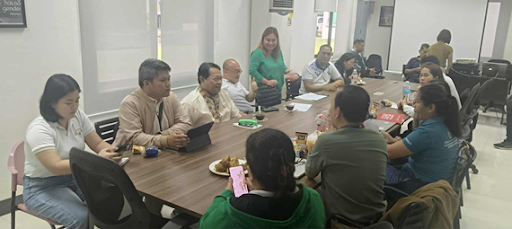
As the MOA will be finalized, leaders expressed optimism that this united effort—backed by PLGU-MisOr under Governor Juliette T. Uy, PCA Regional Manager Yvette B. Guanzon, DA-RFO 10 Regional Director Jose Apollo Y. Pacamalan, and partner SUCs—will usher in a new era of sustainable coconut production in Misamis Oriental. With the combined expertise of government, academia, and the agriculture sector, the Revitalization of Makapuno Coconut through Embryo Culture Project is poised to transform livelihoods, strengthen provincial agriculture, and position Misamis Oriental as a future hub for high-value Makapuno production. Through this partnership, the province is not only revitalizing a crop—but cultivating resilience, opportunity, and innovation for generations of farmers to come.