
USTP CDO researchers transform poultry waste into renewable energy through Project BIOSS
By Eden Marie A. Hinaut, TCM Immersion Student, USTP CDO
Share:
Researchers from the University of Science and Technology of Southern Philippines in Cagayan de Oro (USTP CDO), through the Center for Biomass Energy developed an innovative solution that transforms poultry waste into a cleaner and more valuable energy resource. Their effort resulted in Project BIOSS (BIO Scrubber System using Effective Microorganism and Pressure Swing Adsorption), a research initiative supported by the Department of Science and Technology–Philippine Council for Industry, Energy, and Emerging Technology Research and Development (DOST-PCIEERD) with a total funding of Php 7,894,960.00.
Implemented from February 2023 to January 2025, the project was piloted in Mohon, Tagoloan, Misamis Oriental and was led by Dr. Antonio-Abdu Sami M. Magomnang, D.Eng., Head of the Center for Biomass Energy at USTP CDO.
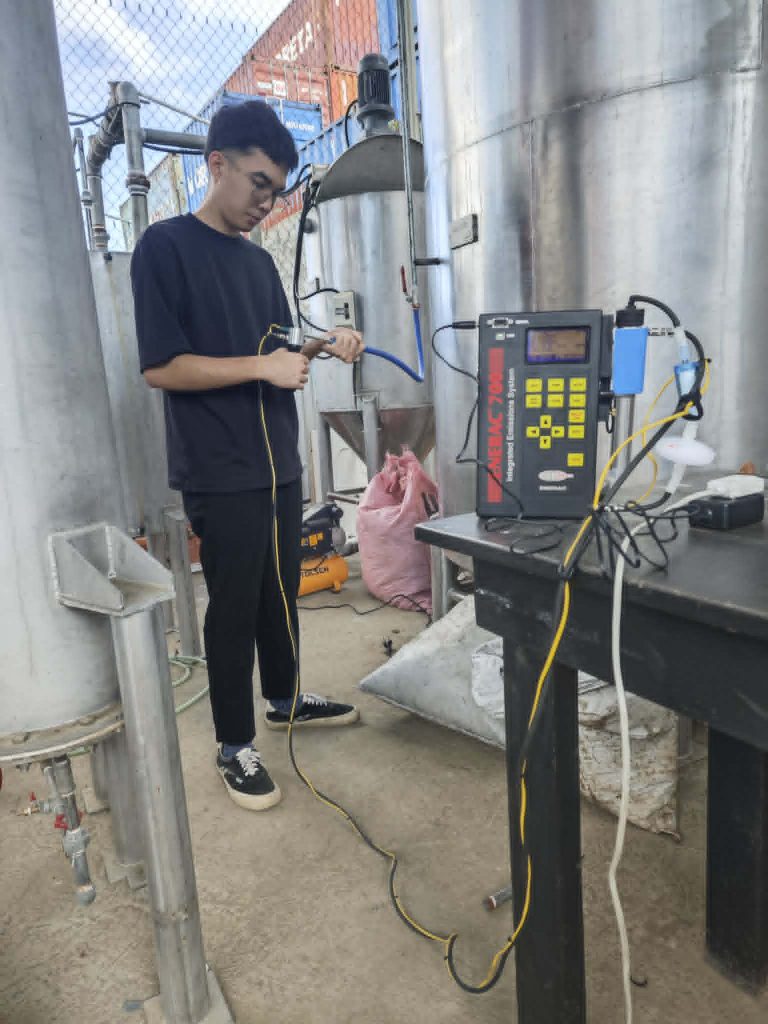
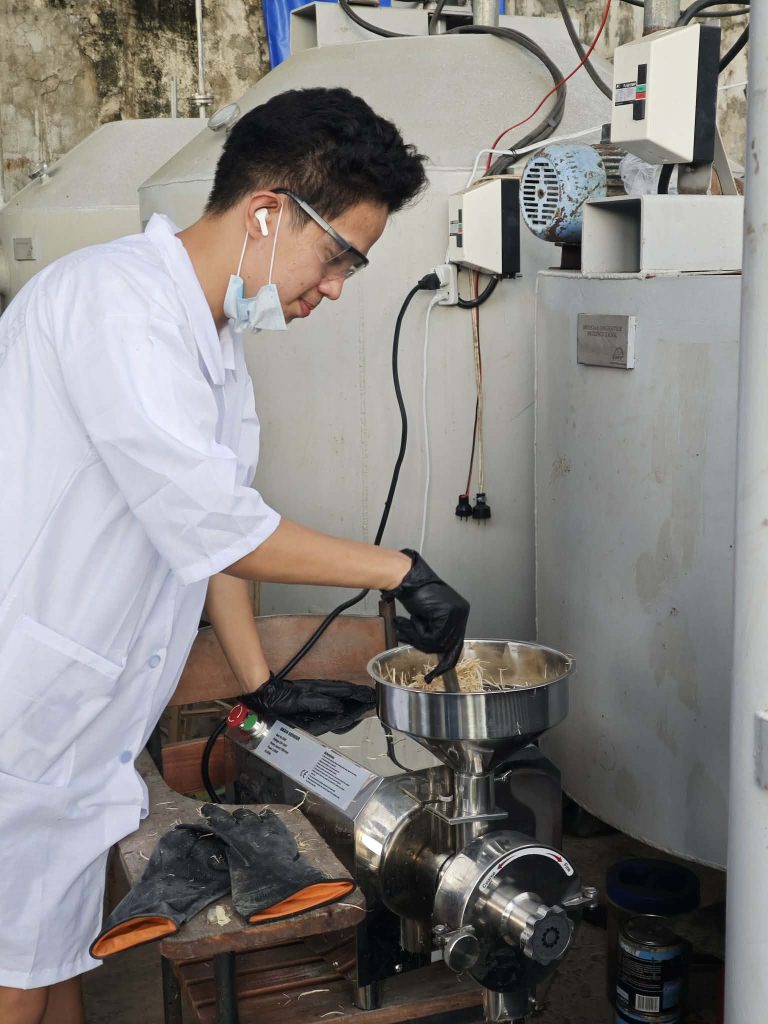
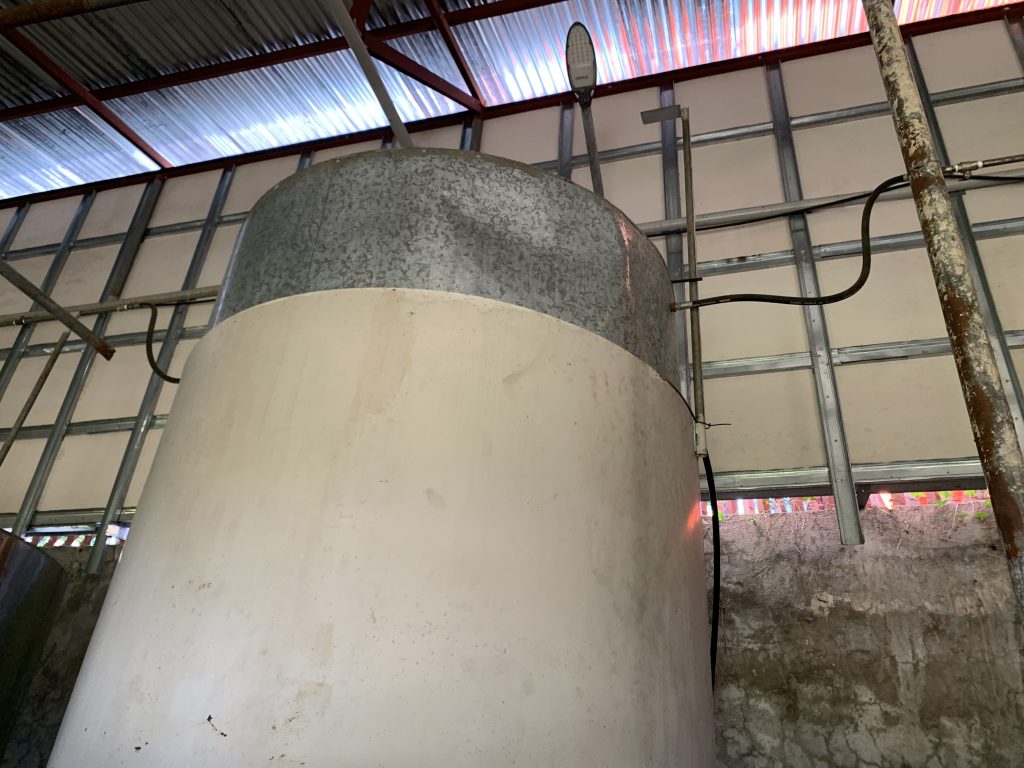
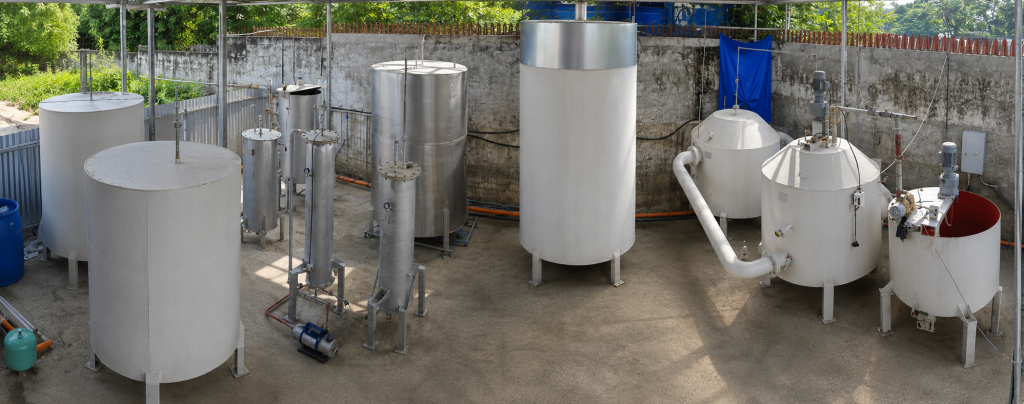
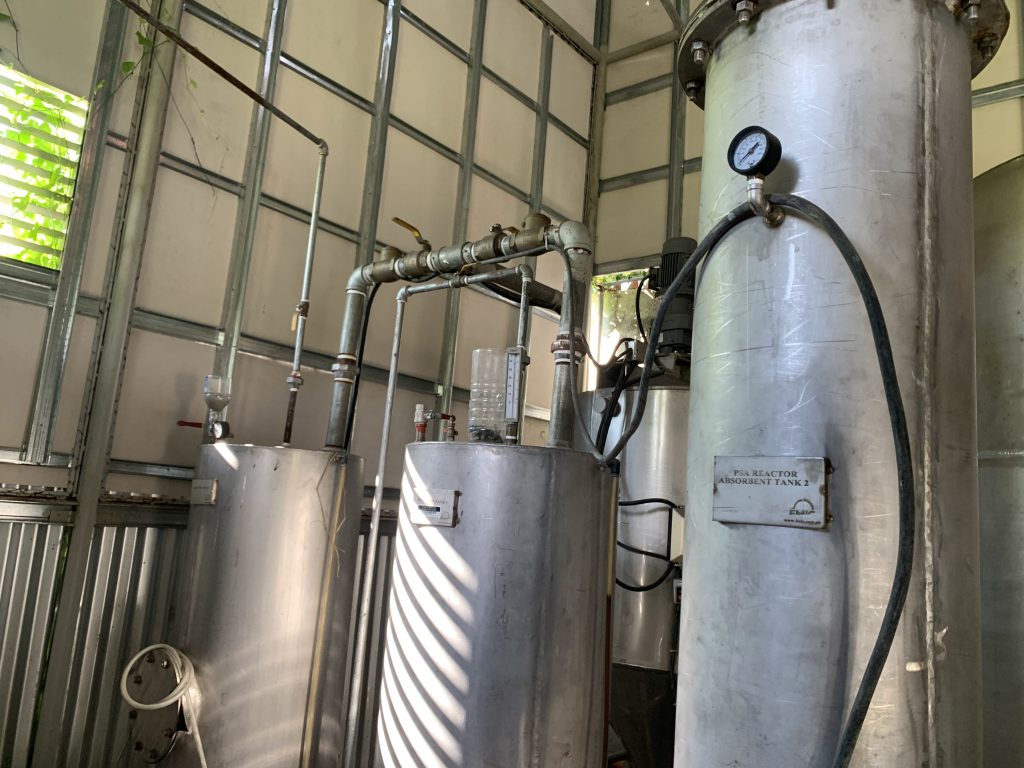
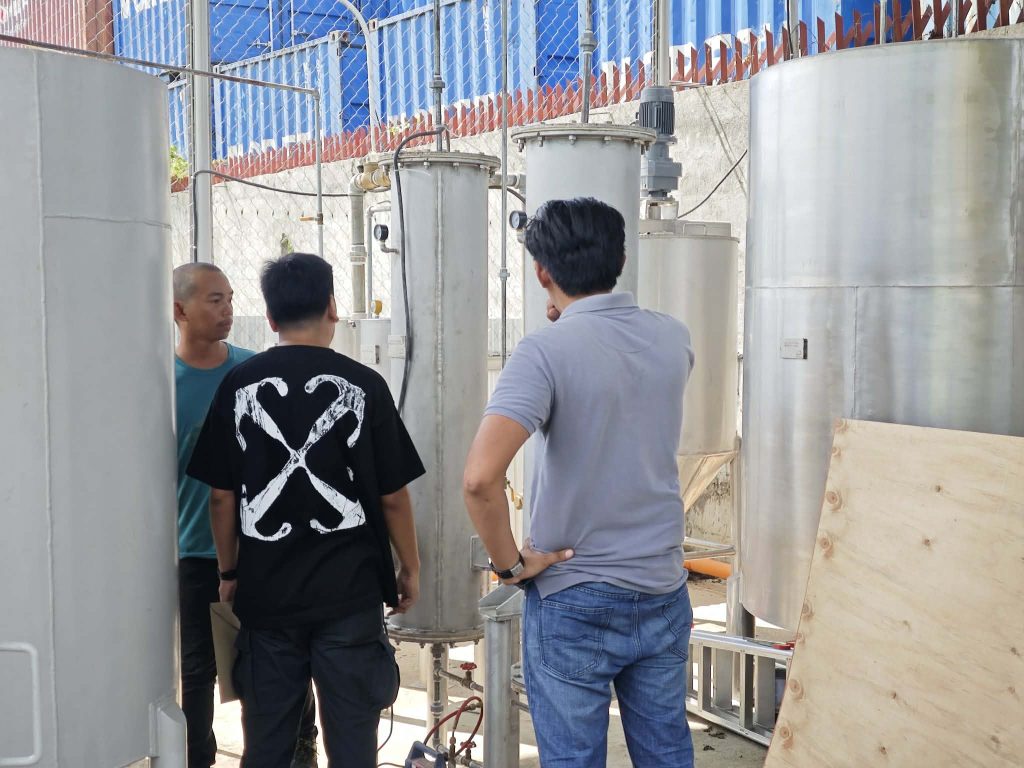
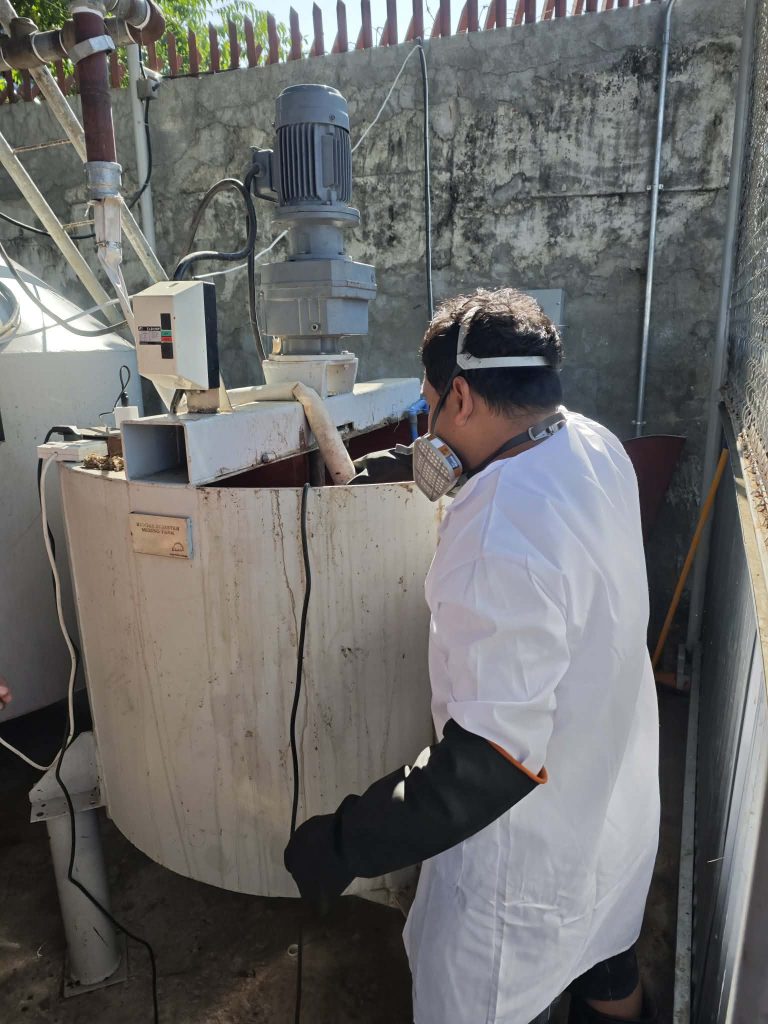
Project BIOSS improves biogas quality through a three-stage purification process. The first stage involves anaerobic digestion, where poultry waste is placed inside a sealed system and broken down by microorganisms to produce raw biogas. The second stage utilizes Effective Microorganism (EM) wet scrubbing, which removes hydrogen sulfide and increases methane concentration through the action of beneficial microorganisms. Finally, Pressure Swing Adsorption (PSA) technology separates carbon dioxide from the gas mixture, resulting in purified biomethane suitable for energy applications. Through this process, waste materials that would otherwise be discarded are converted into a renewable fuel capable of powering generators and other energy systems.
The project produced promising results across all stages of the system. Researchers found that the best biogas output came from a specific blend of poultry slaughterhouse waste — 20 percent blood, 20 percent intestines, 10 percent feathers, and 50 percent dung — treated with Effective Microorganism culture. This combination produced 10.7 liters of biogas per cycle and was selected as the formulation for pilot-scale operation. Through the sequential EM and PSA purification stages, methane concentration was upgraded from raw digester levels to 83–87 percent, while hydrogen sulfide was completely eliminated and carbon dioxide was significantly reduced. The resulting purified biomethane met the quality standard required for engine-grade fuel use.
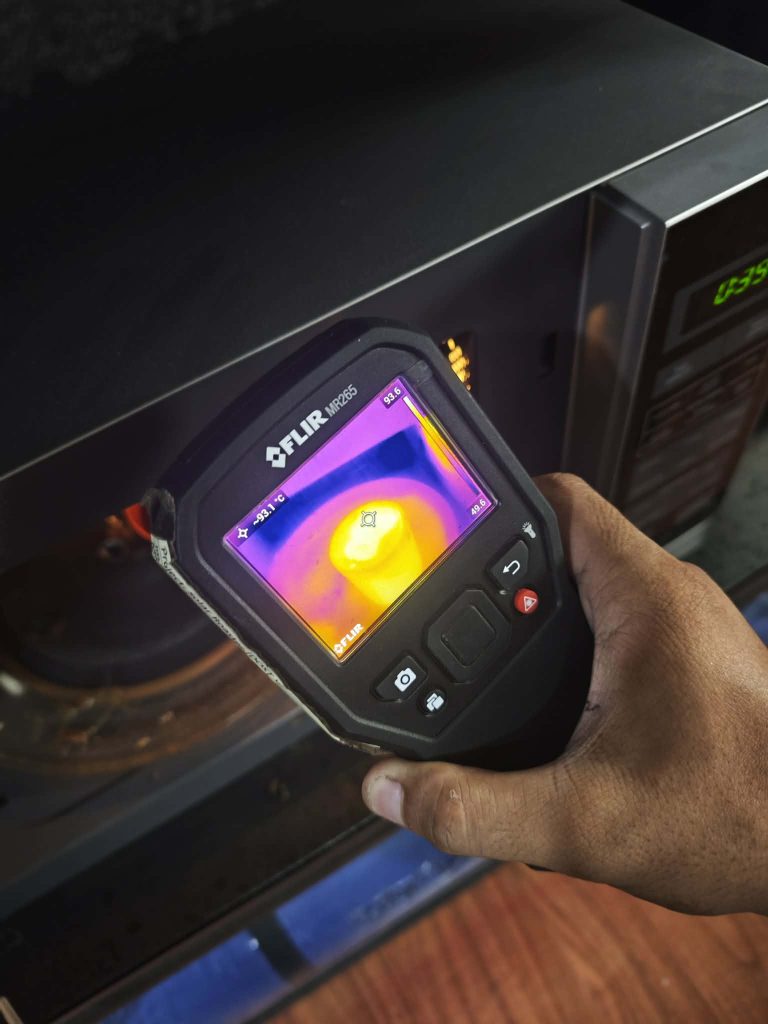
Performance testing further demonstrated the technology’s potential. A BLACKSTONE 8.5 kVA generator successfully operated using the purified biomethane without requiring gasoline priming. Running at 65 percent of its rated capacity on biomethane, the system achieved a brake thermal efficiency of 24.9 percent, while carbon monoxide emissions were reduced by more than 97 percent compared to gasoline operation — a result consistent with the cleaner combustion chemistry of methane fuel.
Beyond its technical achievements, Project BIOSS generated several significant outputs. The research team developed and deployed a mobile purification system that underwent field testing, while an intellectual property application for the PSA-based mobile purification technology was filed with the Intellectual Property Office of the Philippines. Project findings were also published through IEEE Xplore in December 2024, further contributing to the growing body of knowledge on renewable energy technologies.
The initiative likewise strengthened collaboration between USTP and industry through a Memorandum of Agreement with Anakciano Incorporated and provided valuable research opportunities for four undergraduate students and one graduate student involved in the project.
Project BIOSS demonstrates how scientific innovation can transform agricultural waste into a practical source of clean and renewable energy. By utilizing locally available materials and developing a cost-effective purification process, the project offers a promising waste-to-energy solution for communities and industries across the country. More importantly, it highlights how research and innovation can contribute to environmental sustainability, energy security, and the Philippines’ transition toward a greener future.