
USTP CDO strengthens youth leadership through ethics and governance seminar
By Ron Angelo S. Rudinas, BS Architecture Student, College of Engineering and Architecture, USTP CDO
Share:
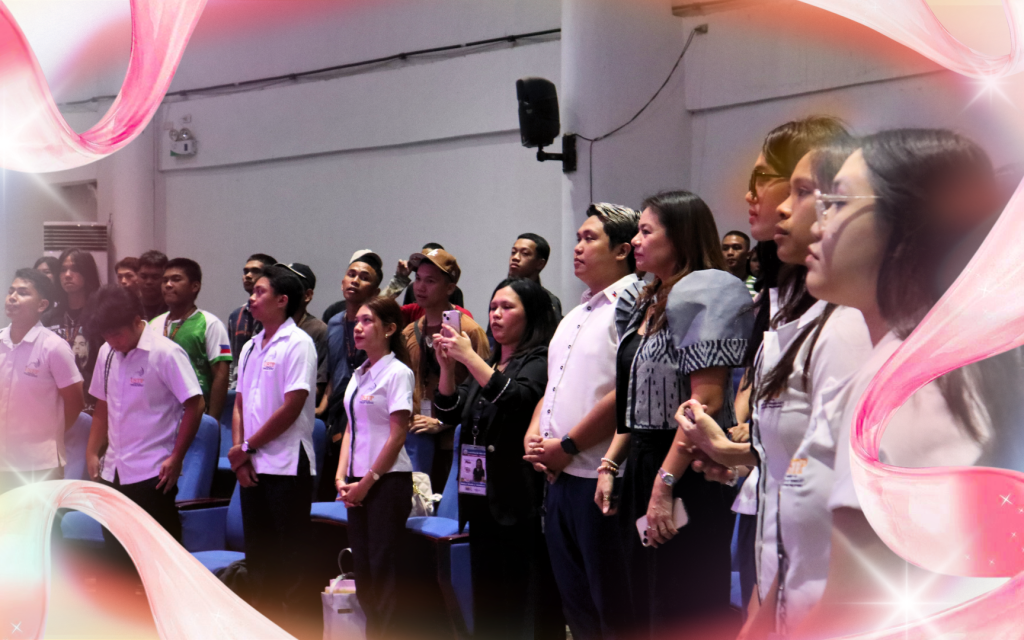
In strengthening youth leadership in education, Hon. City Councilor Imee Moreno led the seminar titled “From Student Leaders to Nation Builders: Ethics in Governance and Public Service,” organized by the Social Sciences Department of the University of Science and Technology of Southern Philippines in Cagayan de Oro (USTP CDO) on May 4, 2026, at the Performing Arts Theatre (PAT), USTP Cagayan de Oro.
The activity was spearheaded by Dr. Francis Thaise A. Cimene and Dean Dr. RJ Krista Raye Y. Leocadio of the College of Science and Mathematics (CSM).
Prof. Aez Julius E. Villamor, LPT, Faculty, Social Sciences, opened the seminar by emphasizing the resilience of Filipinos despite economic and social hardships. He highlighted the importance of the youth as the “future of the nation,” encouraging the youth to take an active role in solving national issues. Prof. Villamor stated that the country’s progress depends on how the youth respond to the challenges faced by society today. His statements thus set the tone for the remainder of the seminar, which was further discussed by Hon. Imee Rose P. Moreno.
The seminar was held in response to the growing corruption of Philippine governance, society, and leadership. As stated by Hon. Imee Rose P. Moreno highlighted the development of “vote-buying” during the election periods in the local barangays of Cagayan de Oro; the widespread and growing rates of unemployment in the city, resulting in the higher tendencies of educated workers to seek employment elsewhere from the city, primarily due to poor local opportunities; and the discussion about the lack of strong leadership that does not settle for “band-aid” solutions in addressing the root causes of societal problems.
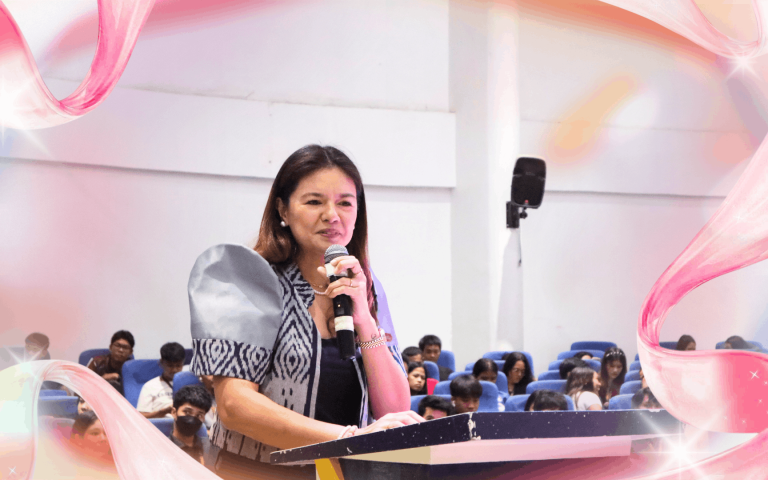
Hon. Imee Rose P. Moreno emphasized that leadership is developed through life experiences and challenges, not something people are born with. She highlighted the importance of resilience, integrity, and courage in leadership, especially in addressing societal issues. According to her, education is the key solution to poverty because it empowers individuals, creates opportunities, and develops future leaders capable of making lasting changes instead of temporary “band-aid” solutions.
She also stressed the importance of standing firm on one’s principles despite hardships, sharing that “There is always winning in losing,” which reflects the value of courage and perseverance. Moreno encouraged the youth to use education as a tool to build resilience and become responsible future leaders.
In concluding her speech, she discussed the connection between leaders and the people they represent, noting that corruption, vote-buying, unemployment, and lack of job opportunities continue to harm the Philippines. She pointed out that many educated Filipinos leave their communities or the country due to limited opportunities. Finally, she emphasized that the seminar promotes a better future by encouraging informed voting and empowering the youth and citizens to create meaningful change in society.
Paragraph 2
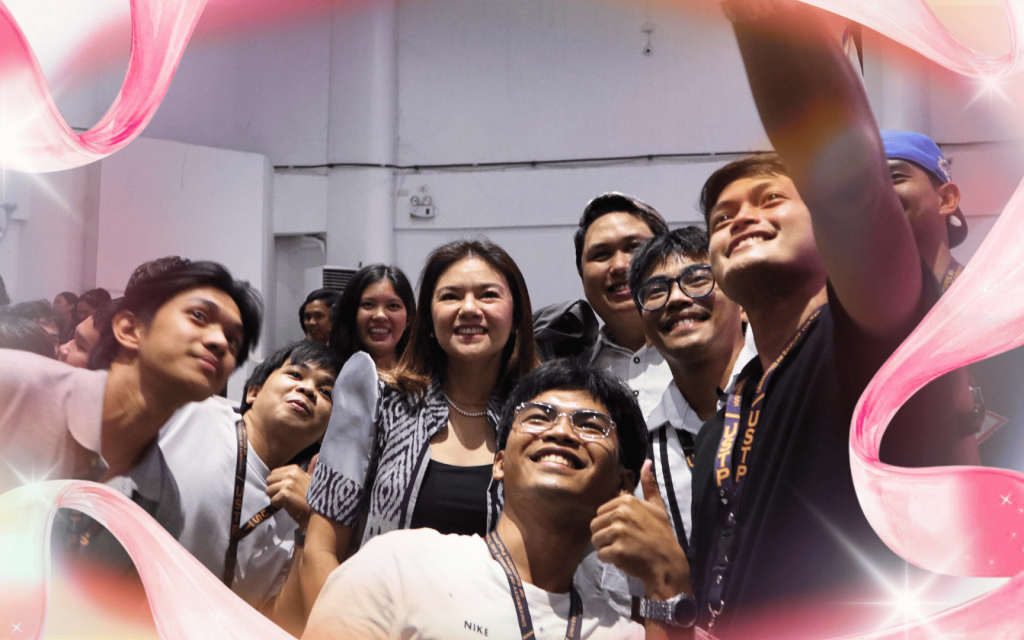
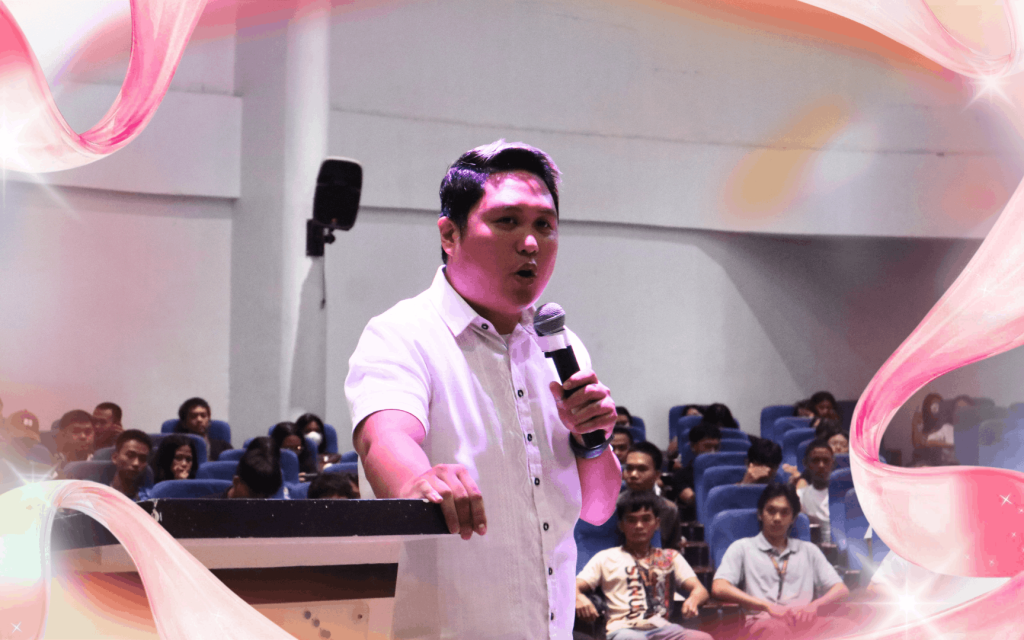
The seminar included a question-and-answer portion where students and participants of the seminar raised issues about ethics, youth leadership, the Sangguniang Kabataan (SK), and political dynasties.
Hon. Imee Rose P. Moreno emphasized that ethical leadership requires making decisions based on what benefits the people, even when such decisions may conflict with personal interests or public expectations. She stated that ethical choices can be difficult, but they bring peace of conscience when made through careful research and unbiased judgment.
She also highlighted the importance of developing leadership skills at a young age, explaining that early involvement in service allows young leaders to contribute more effectively to society and inspire others. On the issue of abolishing the SK system, Moreno defended it as an important democratic institution. Although she acknowledged problems such as corruption and the advantage of wealthy candidates, she argued that removing the system would not solve deeper societal issues. Instead, she stressed the importance of educating voters and strengthening democratic participation.
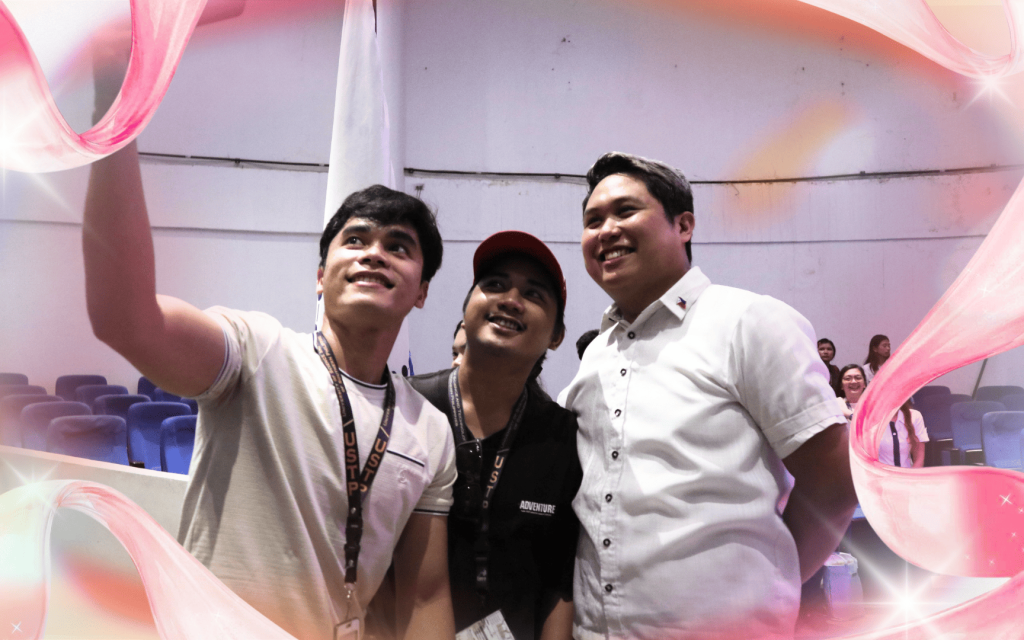
Regarding political dynasties, Moreno explained that she does not consider herself part of one because her father had already left politics before she entered public service. While admitting that some political dynasties can be abused, she maintained that not all are harmful and that democracy gives citizens the power to choose their leaders.
In conclusion, the seminar focused on promoting ethical leadership, civic responsibility, and youth participation in nation-building. Hon. Imee Rose P. Moreno encouraged students to become informed and active citizens who can help create a better future for the Philippines.